


















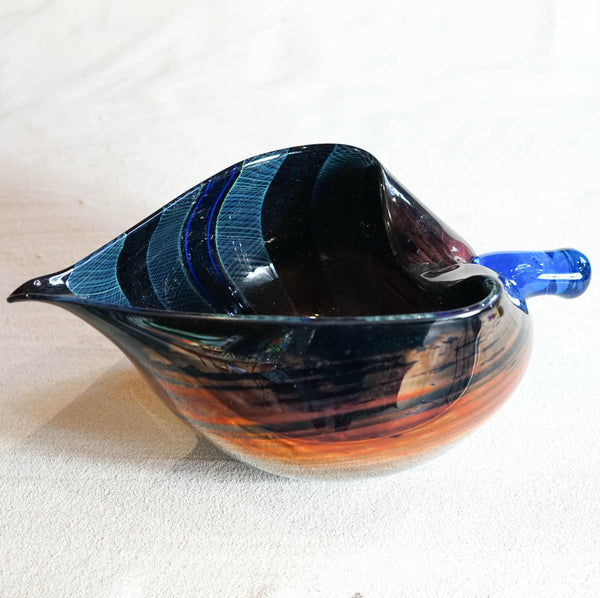


Mouth Blown Glass, Made in Kenya from Recycled Material
Every piece in this collection starts at a furnace running at 1200°C, and ends in the hands of an artisan who shapes it with a blowpipe and breath. That is what mouth-blown glass means — not a marketing category, but a process. No moulds. No automation. Each piece is made one at a time.
The material is recycled waste glass. Kitengela Hot Glass Studio, south of Nairobi, processes over 500 kilograms of it daily — broken bottles, window offcuts, industrial scrap. The colour and texture in each piece come from the source material. Two pieces from the same batch will not look identical.
This collection covers five types of handmade glassware: bottles, serving bowls, jugs, vases, and hot cast decorative pieces. Some are functional. Some are purely decorative. Most sit somewhere between the two. Browse by type below, or scroll to read about each one.
What's in This Collection
Five types of mouthblown glassware, each made for a different kind of use.
1: Glass Bottles
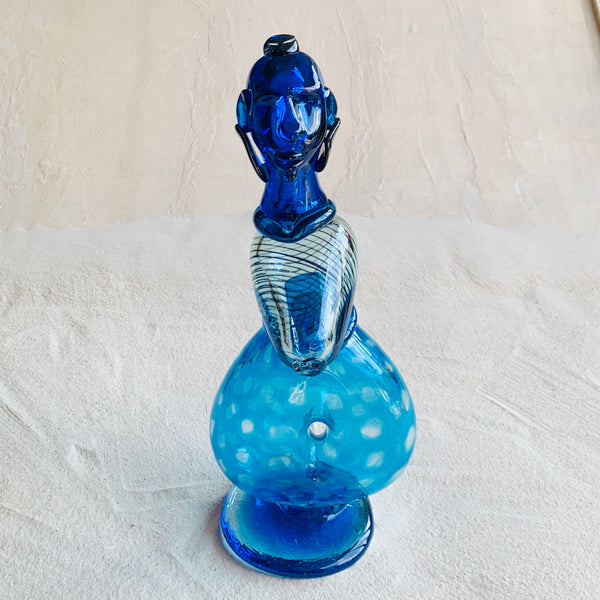
The handblown glass bottles range from small decorative stoppered pieces to larger vessel forms. Made from recycled glass, each bottle carries its own colour — greens, ambers, and clears that come from the source material rather than added pigment. They work as decor, storage, or table centrepieces.
2: Serving Bowls
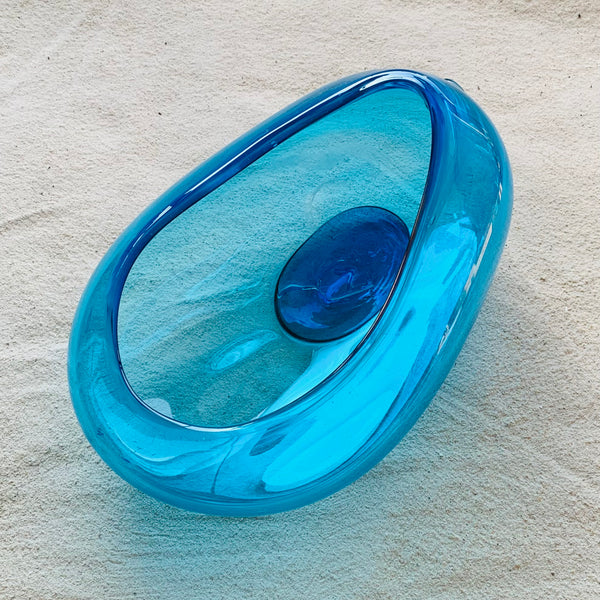
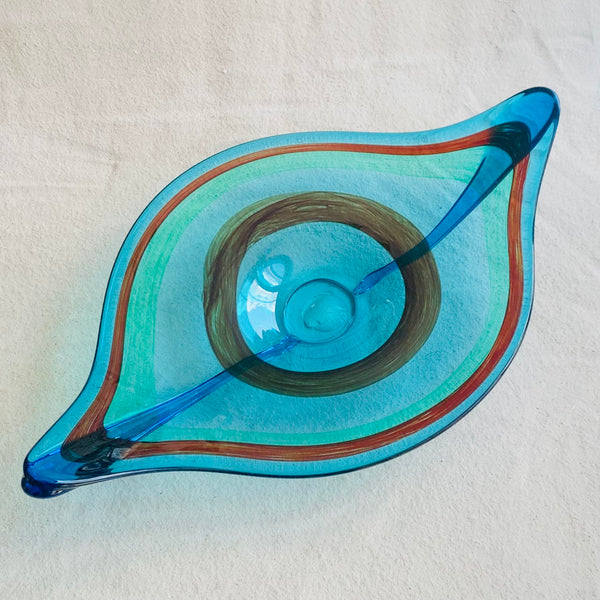
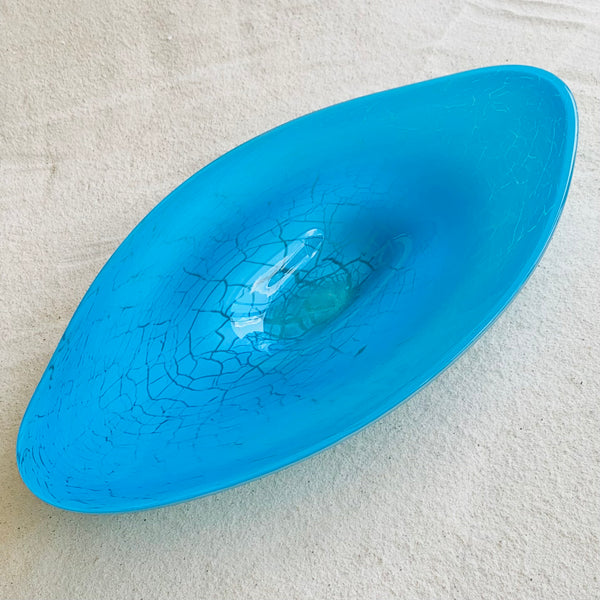
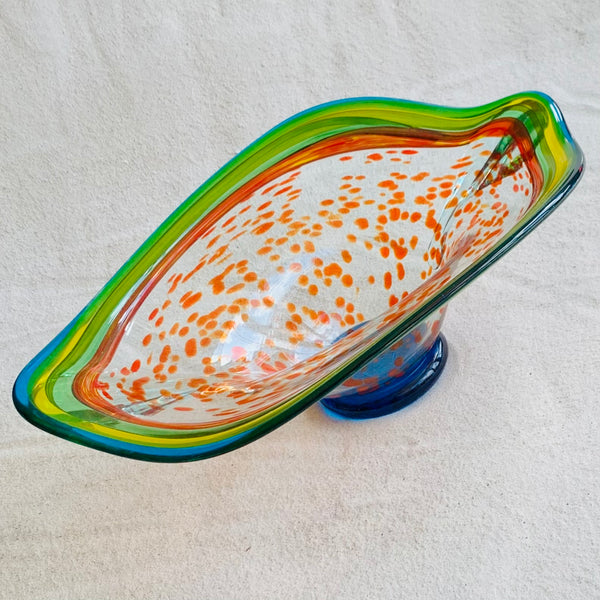
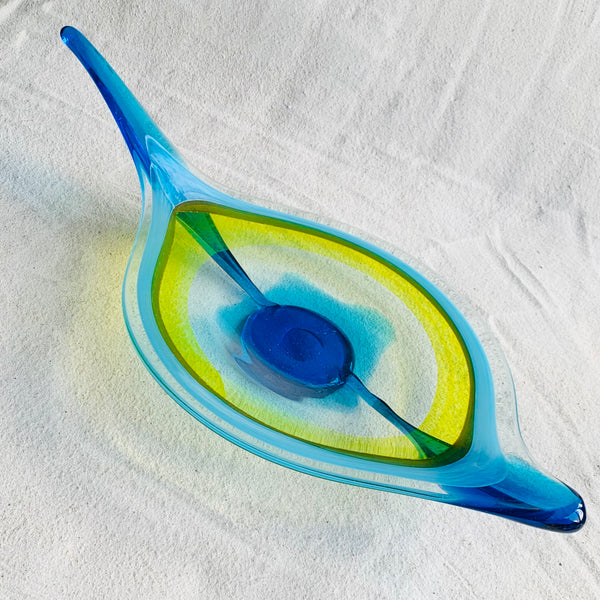
The recycled glass serving bowls are functional pieces — wide-mouthed, stable, made to be used at the table. The mouthblown process gives the rim and walls a slight variation that machine-pressed glass does not have. Available in different sizes.
3: Glass Jugs
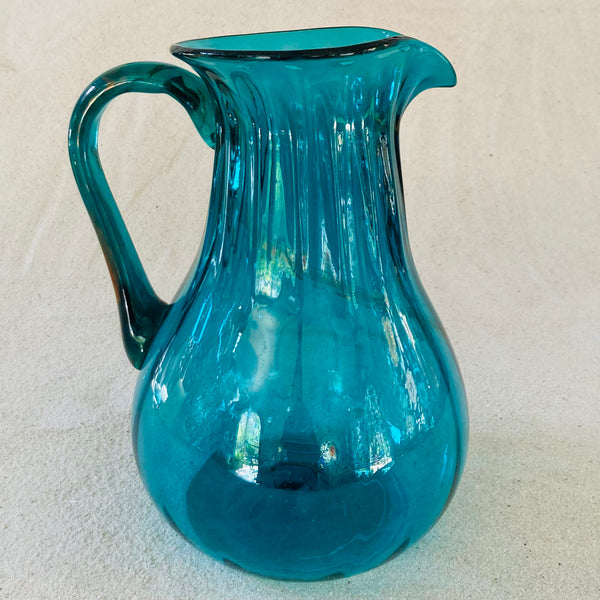
The mouth blown glass jugs are made for pouring. Handle attached, wide mouth, stable base. Practical for water, juice, or cold drinks. The recycled glass gives each jug a character that changes slightly with each production run — same form, different material history.
4: Glass Vases
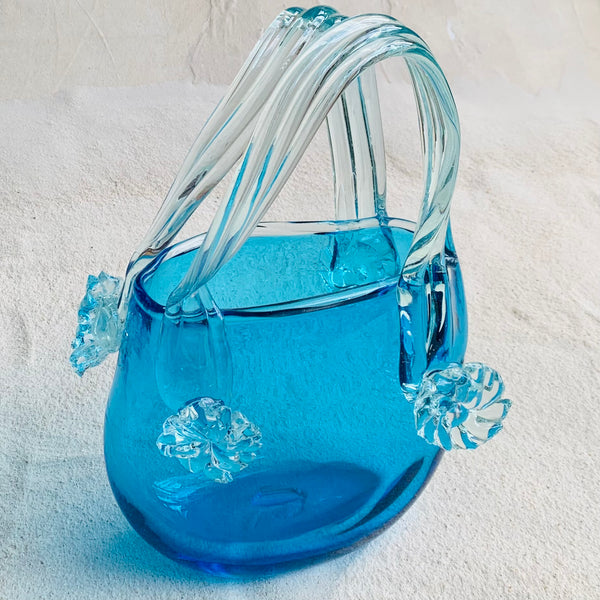
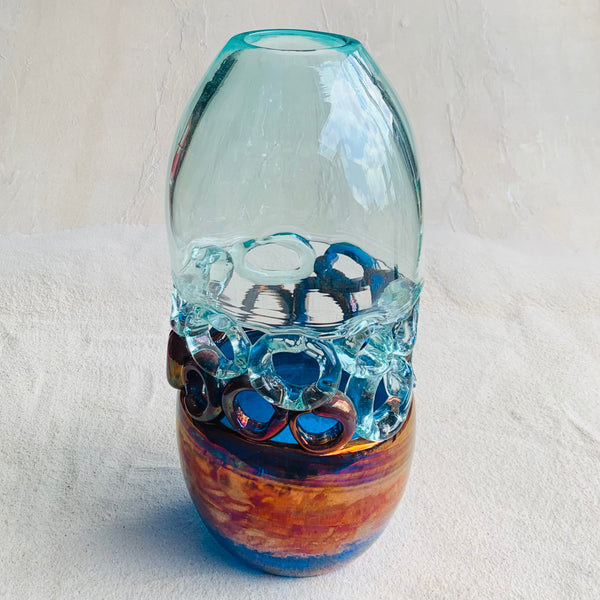
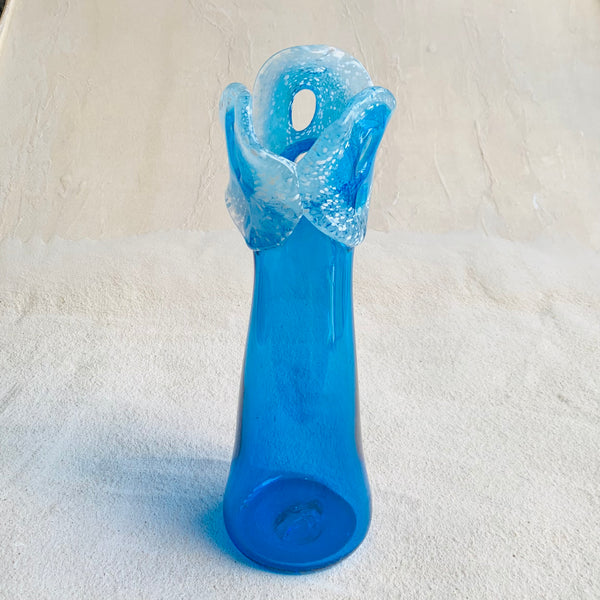
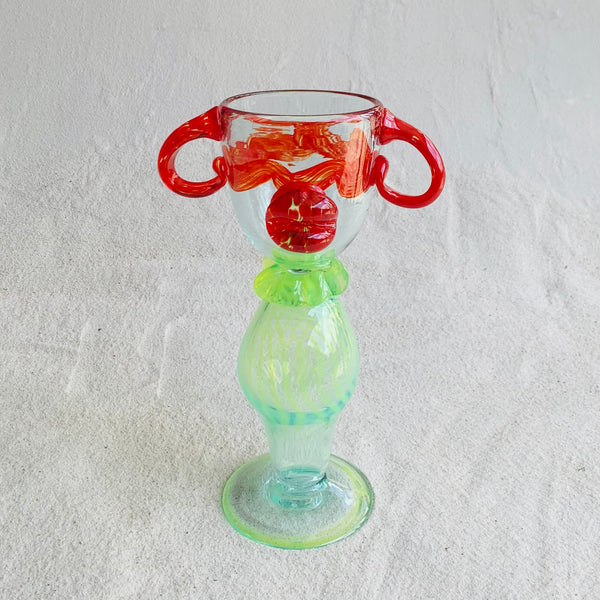
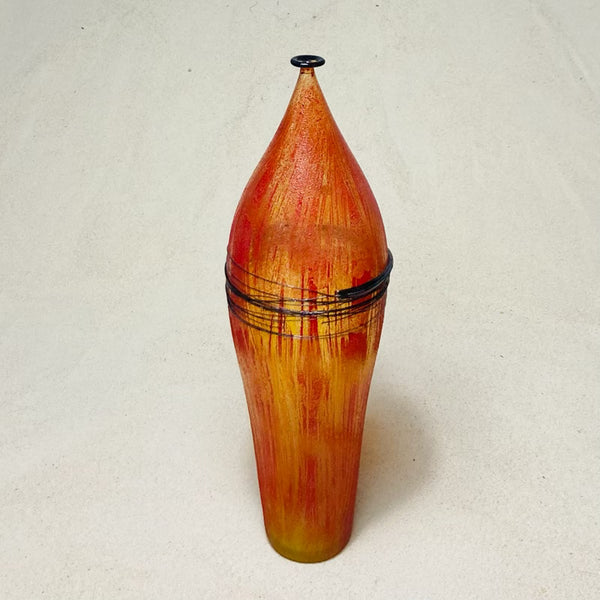
The handmade glass vases range from tall narrow forms to shorter wider pieces. They are decorative first, functional where water is needed. The mouthblown walls are thicker than factory glass — more structural, less likely to tip. Made from the same recycled glass as everything else in the collection.
5: Hot Cast Glass
The hot cast glass pieces are made differently from the rest of this collection. Molten glass is poured into a mould rather than shaped on a blowpipe — a process called hot casting. The result is denser, heavier, and more opaque than blown glass. These pieces lean decorative: sculptures, solid forms, heavy paperweights.
About the Process
Kitengela Hot Glass was founded in 1992 by Anselm Croze, a Kenyan artist who started the studio on a simple premise: waste glass is a material, not a problem. Over thirty years later, the studio processes more than 500 kilograms of recycled glass every day and employs a team of artisans trained in mouthblowing, hot casting, dalle de verre, beads, metal, sculpture and mosaic work.
Mouthblowing is the oldest glassmaking technique still in commercial use. The artisan gathers molten glass on the end of a hollow steel pipe, blows air through the pipe to create a bubble, then shapes that bubble by rotating it, swinging it, and pressing it against tools. The shape is decided entirely by the maker's hands and breath. No two pieces are identical.
The studio is based near Ongata Rongai, South of Nairobi, on the edge of the Naitional Park. The work is installed in private homes, hotels, and public buildings across Kenya, Europe, and the United States. International shipping is available on most pieces in this collection.