
















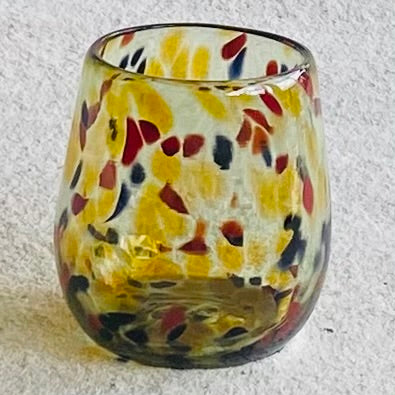


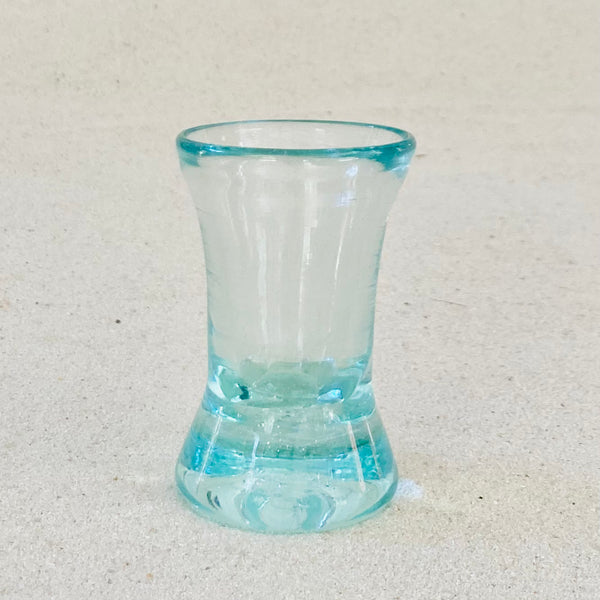


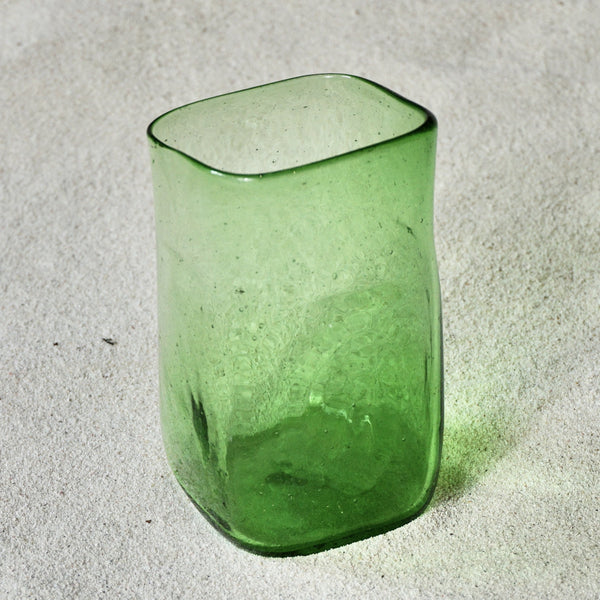


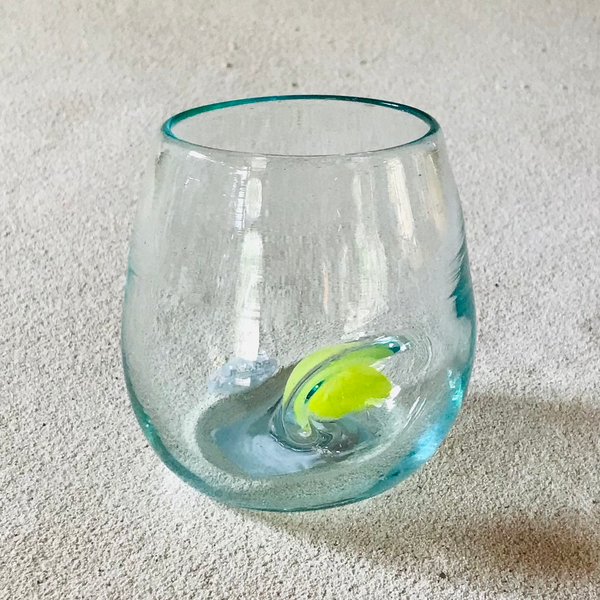








Handblown Drinking Glasses, Made in Kenya from Recycled Glass
Vinywaji — drinking glasses in Swahili — is what this collection is. Tumblers for daily use. Stemmed wine glasses for the table. Solid beer mugs built to last. Every piece is handblown at Kitengela Hot Glass Studio, just south of Nairobi, by artisans who have been working with molten glass since the studio opened in 1990
The material is recycled waste glass — broken bottles, discarded window panes, industrial offcuts. The studio processes over 500 kilograms of it every day. Nothing here starts from virgin sand. The colour in each piece, the slight variation in wall thickness, the way light moves through the glass — that comes from the material and the process, not from a mould.
These are not souvenir glasses. They are functional pieces designed to be used, gifted, and kept. If you want to browse what ships internationally, start below.
What's in This Collection
Three types of drinkware, each made for a different kind of use.
1: Glass Tumblers
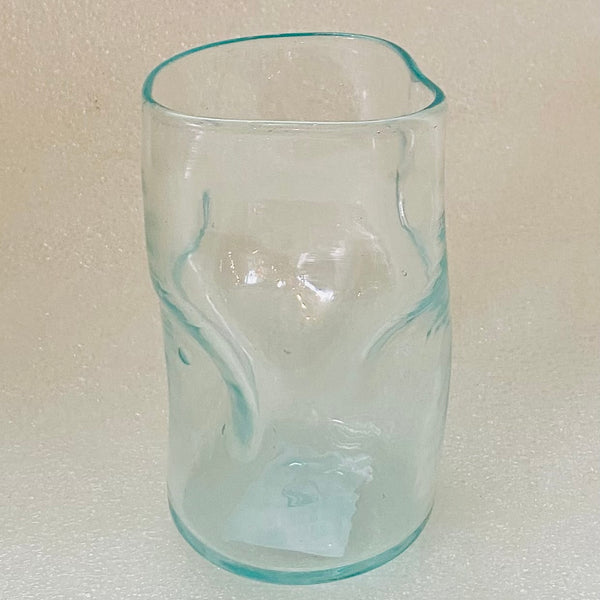
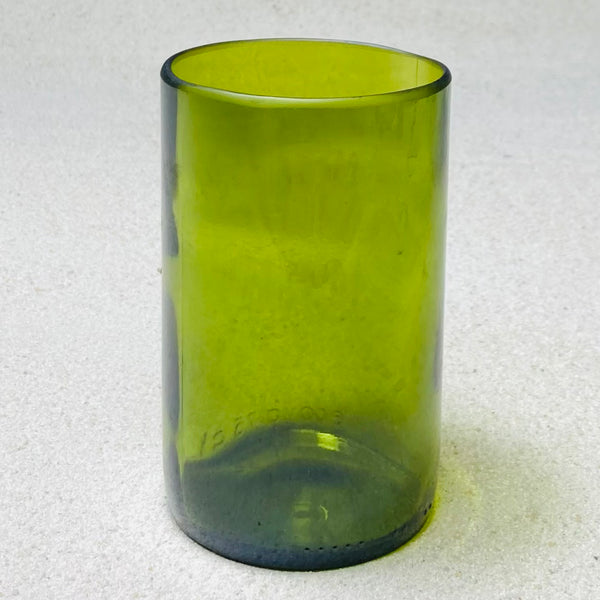
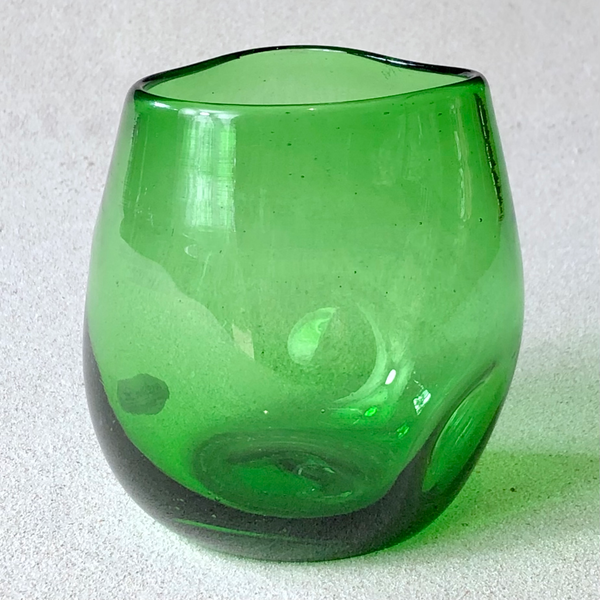
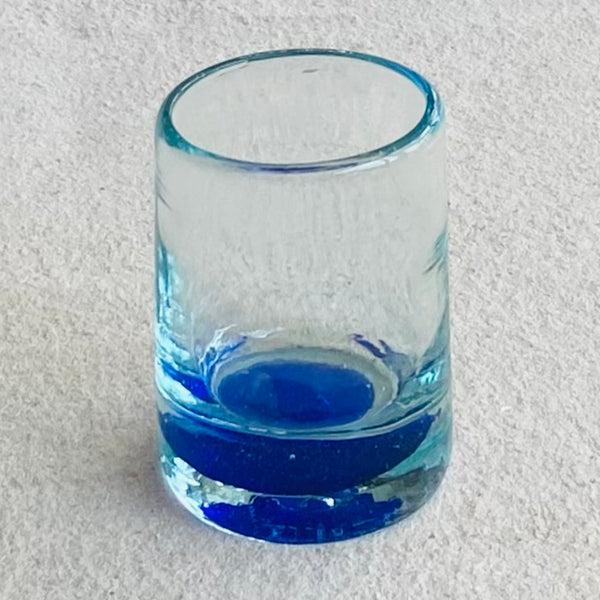
The handmade glass tumblers are the most versatile pieces in the range. Straight-sided, comfortable in hand, usable for water, juice, spirits, or any cold drink. Available in different sizes. The recycled glass gives each tumbler its own character — no two are identical in colour or finish.
2: Stemmed Wine Glasses
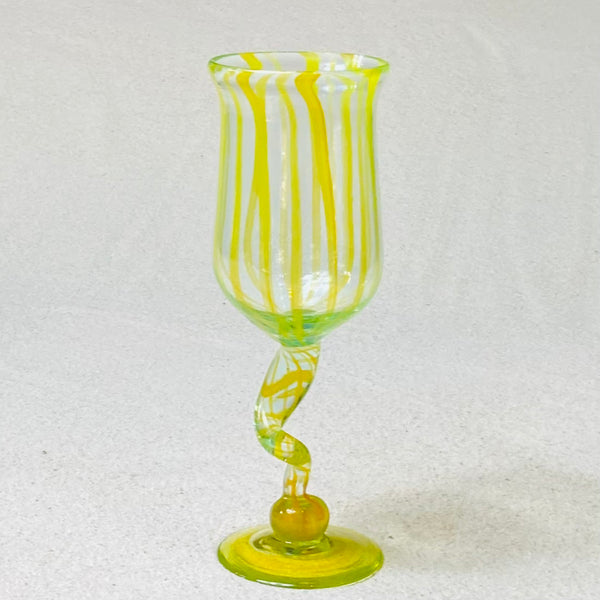
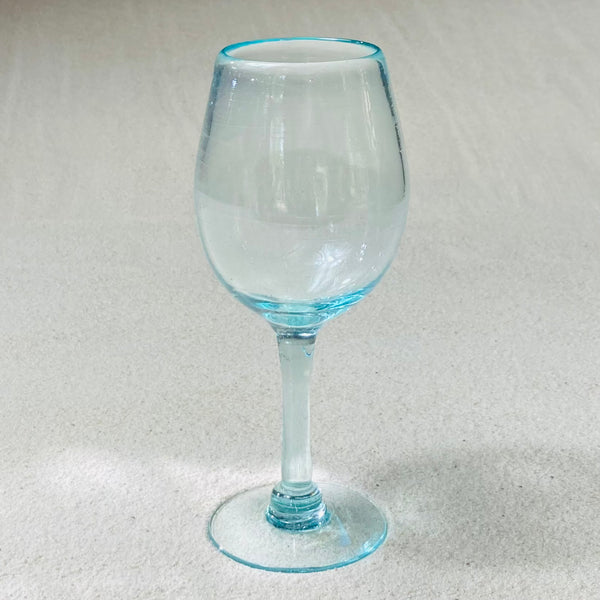
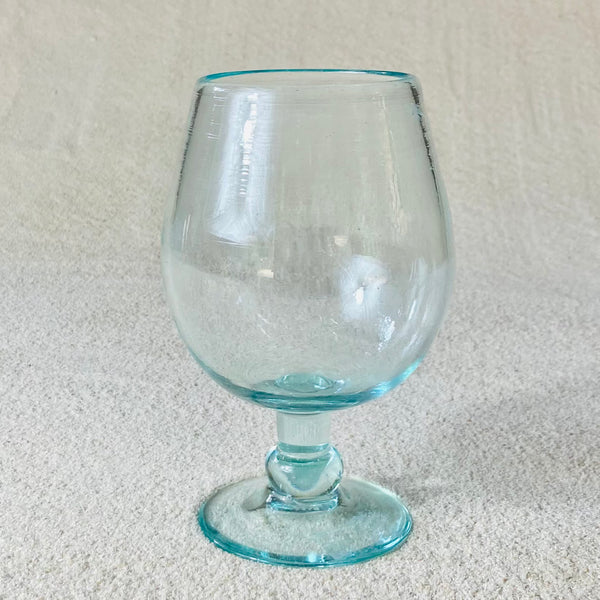
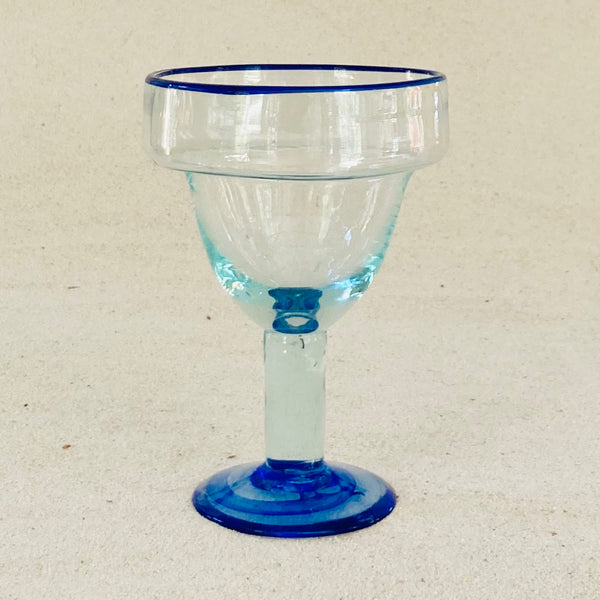
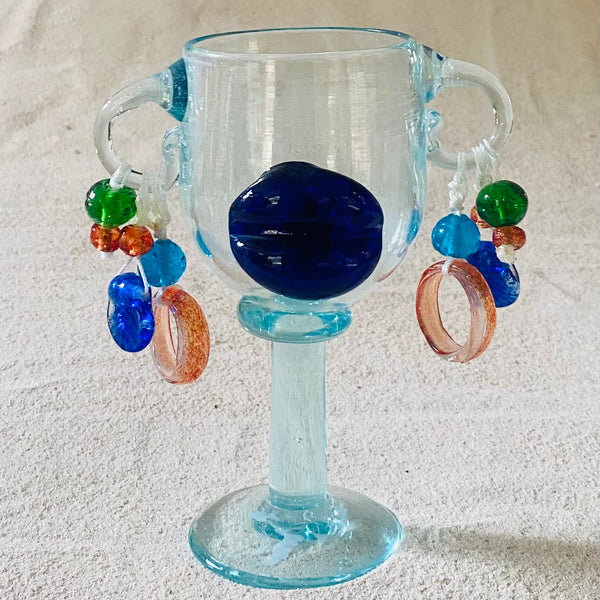
The stemmed wine glasses are handblown with a full stem and a wide bowl. Made for wine, but practical for any drink where you want to hold the glass without warming the contents. The stem comes from the same recycled glass as the bowl — same material throughout.
3: Beer Mugs
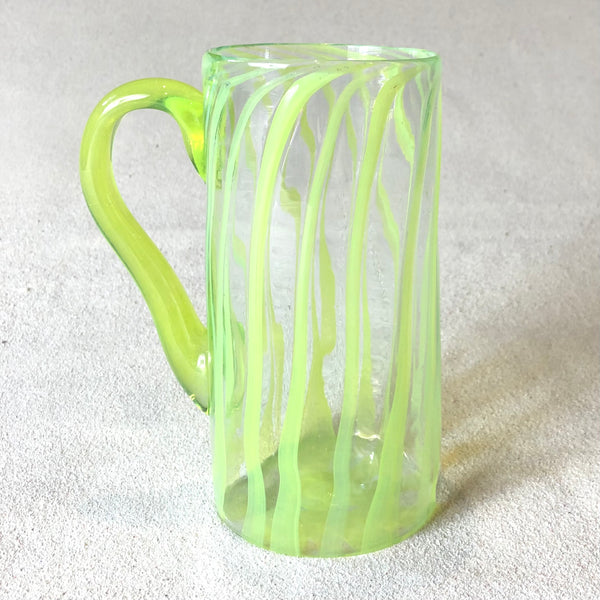
The recycled glass beer mugs are heavier than the tumblers — deliberately. Thick walls, solid base, a handle that doesn't require careful handling. These are working mugs. Available individually and as sets.
About the Glass
Kitengela Hot Glass was founded in 1992 by Anselm Croze, a Kenyan artist who built the studio on a single principle: waste glass is a raw material, not a disposal problem. Over four decades, the studio has grown into one of East Africa's most recognised glass-art operations, with work installed in homes, hotels, and public spaces across Kenya, Europe, and the United States.
Every drinkware piece in this collection is handblown on-site at the Kitengela compound, south of Nairobi. The artisans work from a 1200°C furnace. The shape comes from the blowpipe and the maker's hands. That is why there is variation between pieces — it is not a defect, it is the process.
The studio processes over 500 kilograms of recycled glass daily. The glasses you order here started as something else.